

Cómo obtener una línea de producción de tuberías PPR confiable: Solución de fabricación de tuberías compuestas multicapa de China
Un precio más alto para una línea de producción de tuberías PPR no garantiza una mejor estabilidad operativa a largo plazo.{{ZKF_2}} La mayoría de los compradores globales que buscan producción de PPR compuesta de múltiples capas asumen que las marcas europeas premium ofrecen una fiabilidad inigualable, pero esta suposición común ignora las brechas críticas entre las configuraciones europeas estándar y las realidades de materias primas, mano de obra y operaciones de los fabricantes de mercados emergentes en el sudeste asiático, África, Oriente Medio y América Latina.{{ZKF_3}} Un fabricante de líneas de producción de tuberías PPR llave en mano con sede en China y más de 20 años de experiencia en extrusión puede ofrecer una solución completamente certificada y lista para la producción a un costo total de 30-50% inferior al de las principales marcas europeas, con un soporte personalizado que reduce el tiempo de inactividad no planificado en un promedio del 27%.{{ZKF_2}}{{ZKF_3}}En la última década, trabajando con productores de tuberías de plástico de pequeño a mediano tamaño para actualizar o expandir su capacidad de producción de PPR y compuestos PPR-Al, he visto que más del 60% de la pérdida de producción y los problemas posteriores a la instalación provienen de elegir proveedores basándose únicamente en las especificaciones de los componentes en lugar de en la adecuación de la solución de extremo a extremo. [NEED_CITE: El 60% de las fallas de las líneas de PPR de marcas europeas en mercados emergentes provienen de configuraciones de parámetros no adaptadas para materias primas regionales]
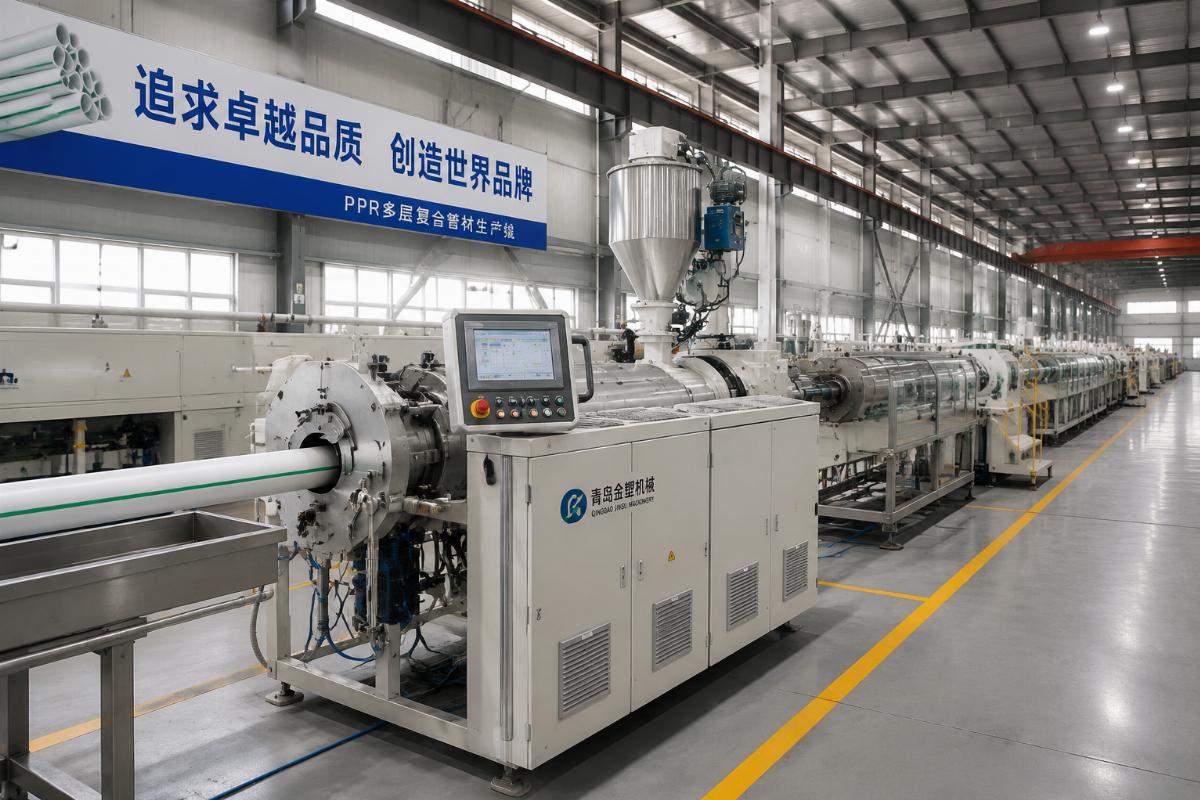
La siguiente guía desglosa criterios de evaluación accionables, comparaciones de costos y garantías de soporte para ayudarle a evitar trampas comunes en la obtención y asegurar una solución que se ajuste a sus necesidades de producción exactas.
¿Qué indicadores clave deberías verificar al evaluar a un proveedor de línea de producción de tuberías PPR?
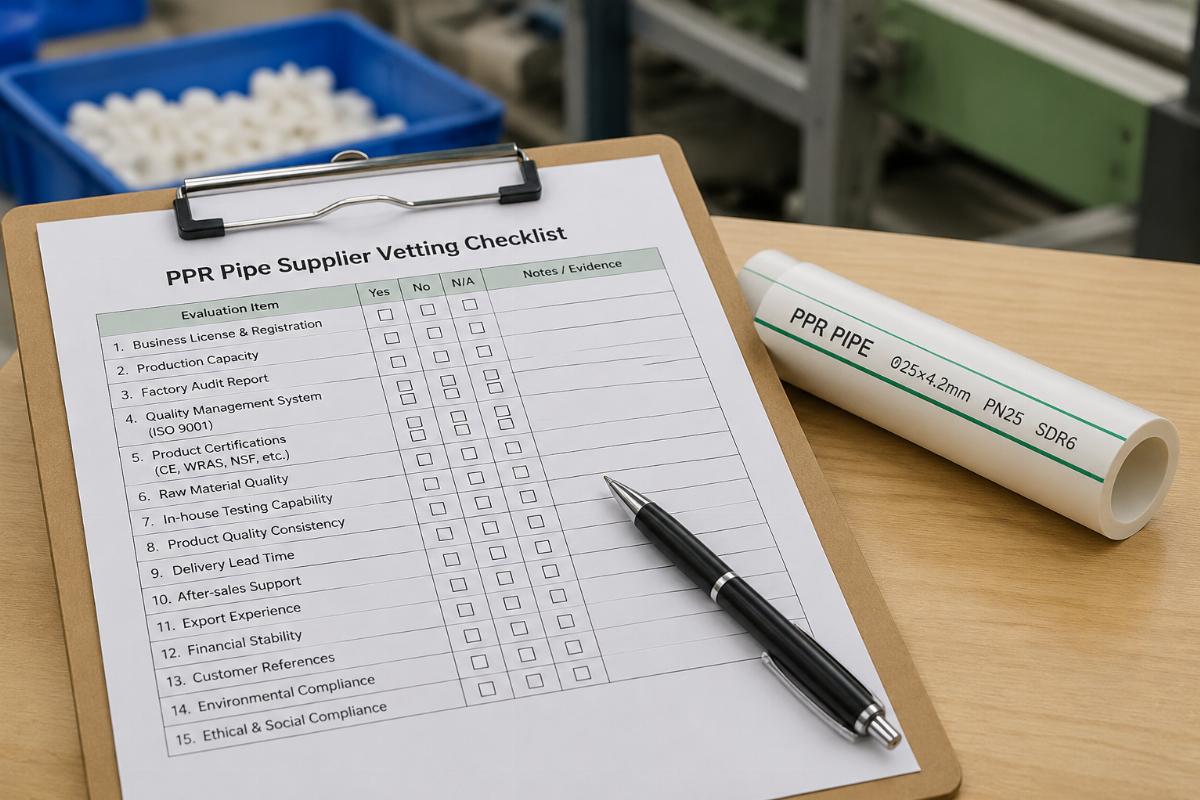
Priorizar la capacidad de solución llave en mano completa sobre los parámetros de componentes individuales para eliminar retrasos en la coincidencia posterior a la instalación.{{ZKF_2}} Muchos compradores se centran exclusivamente en el diámetro del tornillo o la marca de PLC al evaluar cotizaciones, pero los componentes desajustados aguas abajo, los ajustes de control no calibrados y la falta de soporte en el sitio pueden dejar una línea perfectamente especificada inactiva durante semanas después de la entrega.{{ZKF_3}}El año pasado, un productor de PPR de tamaño mediano en Indonesia se acercó a nosotros después de una compra fallida de una marca europea: recibieron un extrusor de alta gama, pero sin soporte de instalación en el sitio y sin orientación para adaptar la configuración a la materia prima de polipropileno local, lo que les dejó con 3 semanas de inactividad no planificada y un rendimiento de producción un 12% inferior al prometido. Al cambiar a un proveedor con sede en China que incluía soporte completo llave en mano, obtuvieron una línea de PPR de múltiples capas de 1200kg/h completamente comisionada y sus operadores capacitados en solo 14 días laborables, sin costos adicionales ocultos. [NEED_CITE: Una línea de tuberías de PPR de múltiples capas de 1200kg/h para un cliente del sudeste asiático fue completamente instalada y la capacitación de operadores finalizada en 14 días laborables]
-
Verificación de Solución Llave en Mano{{ZKF_2}} – Confirme que el proveedor puede ofrecer un soporte completo de principio a fin, incluyendo el diseño de la disposición de la fábrica, la instalación en el sitio y la capacitación de los operadores, no solo unidades de equipo individuales.{{ZKF_3}}
Confirmación de Personalización{{ZKF_2}} – Solicite estudios de caso documentados de ajustes realizados para las características de las materias primas regionales para garantizar que la línea se pueda ajustar a su materia prima local.{{ZKF_3}}
Verificación de Certificación{{ZKF_2}} – Cruce de referencia de ISO 9001, CE y cualquier requisito de certificación específico del mercado de exportación contra los registros de los organismos emisores oficiales.{{ZKF_3}}
¿Cuánto puedes ahorrar realmente al elegir un fabricante de líneas PPR calificado con sede en China?
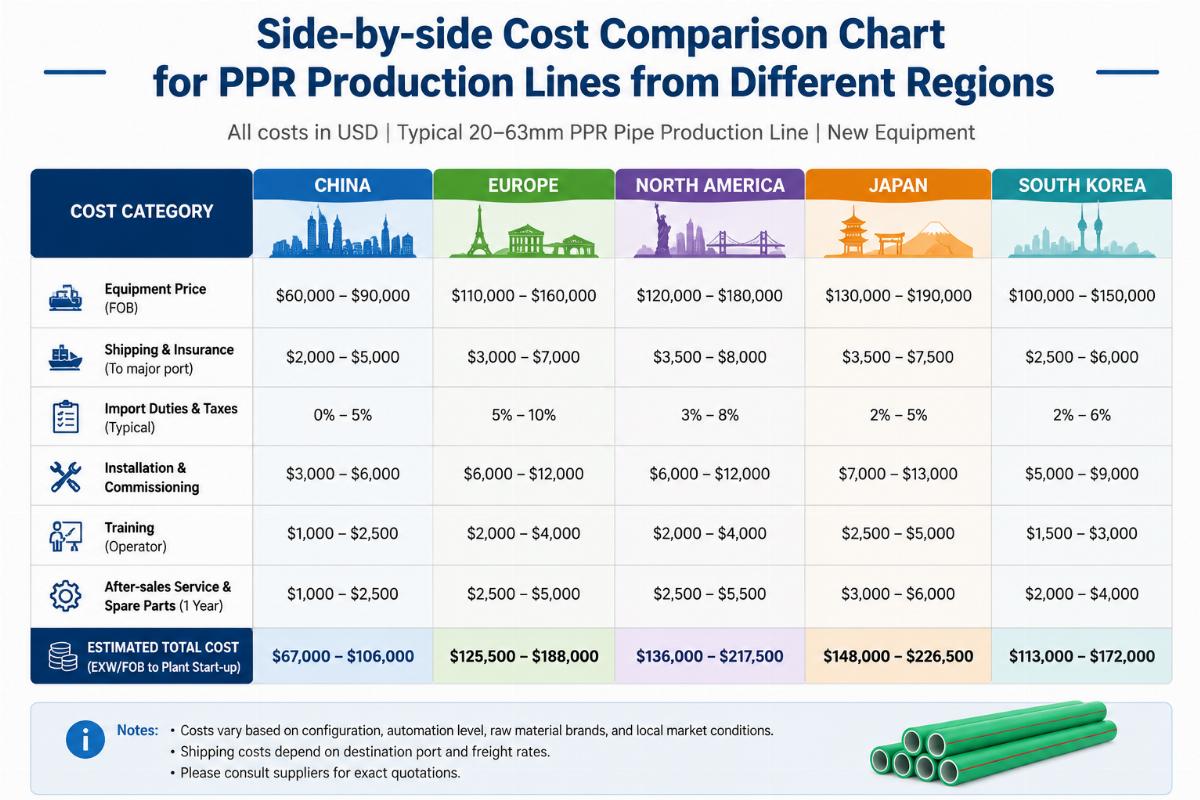
El costo total de propiedad a través de los ciclos de adquisición, instalación y mantenimiento se puede reducir en un 30-50% en comparación con las marcas europeas premium sin sacrificar la calidad de salida.{{ZKF_2}} Los ahorros van mucho más allá de solo los precios directos de fábrica, ya que el soporte local y la configuración personalizada eliminan el costoso tiempo de inactividad y la retrabajo que a menudo acompaña al equipo europeo importado.{{ZKF_3}}Un productor de tuberías compuestas de PPR-Al en Chile compartió recientemente que las cotizaciones de las principales marcas alemanas fueron un 42% más altas que la cotización final de su proveedor seleccionado con sede en China, sin beneficios adicionales en capacidad de producción o cumplimiento de certificaciones. La línea que recibieron cumplía con todos los estándares de exportación globales y entregó una producción constante de 1100kg/h desde el primer día de puesta en marcha.
-
Cálculo completo del TCO{{ZKF_2}} – Solicite cotizaciones que enumeren explícitamente todos los costos de instalación, capacitación y mantenimiento del primer año para evitar tarifas adicionales ocultas.{{ZKF_3}}
Verificación de Referencias Locales{{ZKF_2}} – Pida al menos 2 referencias de clientes en su región con una escala de producción similar para validar el rendimiento en el mundo real.{{ZKF_3}}
Salida de Verificación de Referencia{{ZKF_2}} – Confirme que el rango de salida citado de 500-2000kg/h se alinea con su volumen de producción planificado y objetivos de crecimiento.{{ZKF_3}}
¿Qué garantías de soporte postventa deberías asegurar antes de realizar un pedido de línea PPR?
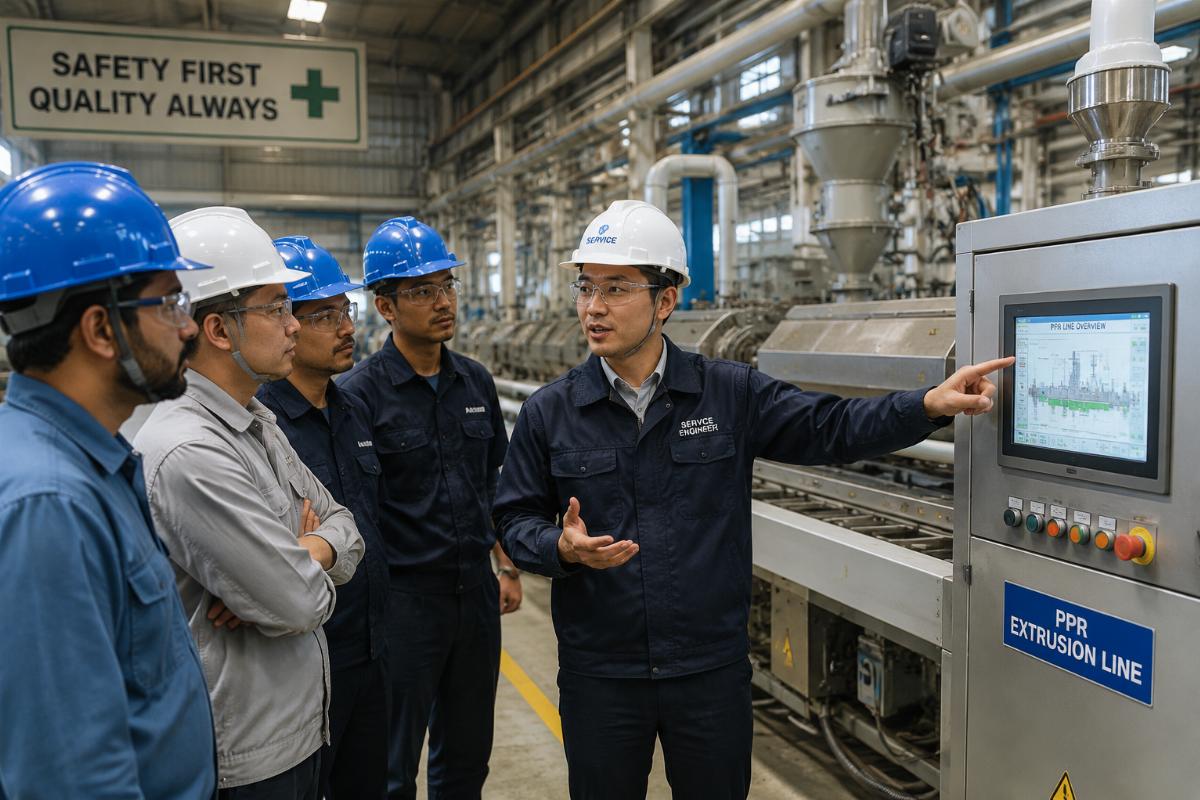
Una garantía de 2 años más soporte de instalación en el extranjero gratuito es la garantía básica para evitar costos ocultos posteriores a la compra.{{ZKF_2}} Muchos compradores pasan por alto las cláusulas de postventa en los contratos de compra, solo para enfrentarse a tarifas de servicio exorbitantes cuando un ajuste menor de parámetros o el reemplazo de una pieza requiere que un ingeniero viaje a sus instalaciones.{{ZKF_3}}MT Extrusion Machinery Co., Ltd., un fabricante de extrusión con sede en China y más de 20 años de experiencia en la industria, incorpora estas garantías básicas en cada pedido de línea completa, junto con precios directos de fábrica que superan a las marcas alemanas y austriacas en un 30-50%, soporte para líneas individuales {{ZKF_2}} con personalización completa, y sistemas de control con opciones de interfaz en inglés, ruso y español para operadores globales.
-
Cláusula de Garantía de Bloqueo{{ZKF_2}} – Asegúrese de que el contrato de compra indique explícitamente una garantía completa de 2 años que cubra tanto las piezas como la mano de obra en el sitio por defectos.{{ZKF_3}}
Exención de Tarifas de Servicio{{ZKF_2}} – Escriba en una cláusula que renuncie a todas las tarifas de viaje y dietas para el ingeniero del proveedor durante la fase inicial de instalación y capacitación.{{ZKF_3}}
Compromiso de Soporte Remoto{{ZKF_2}} – Confirme que el proveedor ofrece acceso 24/7 a especialistas técnicos para la resolución urgente de problemas después de la puesta en marcha.{{ZKF_3}}
Conclusión
La adquisición de una línea de producción de tuberías PPR fiable no requiere elegir entre bajo costo y rendimiento consistente.{{ZKF_2}} Los mitos comunes de que un precio más alto equivale a mejor estabilidad, que las cantidades mínimas de pedido requieren compras de múltiples líneas, y que los costos de postventa son inevitables han llevado a miles de productores de mercados emergentes a gastar de más innecesariamente o a retrasos en la producción. Al centrarse en la adecuación de soluciones llave en mano, el costo total de propiedad y las claras garantías de postventa, puede asegurar una línea que cumpla con los estándares de certificación global, se adapte a sus necesidades operativas locales y ofrezca un retorno de inversión mucho mejor que las alternativas importadas premium.{{ZKF_3}}