

Diseño de Tornillo de Extrusión para PVC vs PE vs PP: Configuraciones Específicas por Material del Principal Fabricante de China
Una mayor profundidad del vuelo del tornillo no aumenta automáticamente la producción de procesamiento de PE.{{ZKF_2}} La mayoría de los operadores que buscan un mayor rendimiento para las líneas de extrusión de plástico pasan por alto las diferencias en las propiedades del material base, lo que lleva a una reducción del 20-30% en la producción y a defectos de calidad en las piezas que afectan la rentabilidad de la producción a largo plazo.{{ZKF_3}} La estructura del tornillo coincidente con la estabilidad térmica específica, la cristalinidad y la reología de fusión de su resina objetivo es la única forma de evitar errores de diseño comunes mientras se aumenta la eficiencia y se reduce el desperdicio.{{ZKF_2}}{{ZKF_3}}Como alguien que ha apoyado a más de 200 operadores de líneas de extrusión en más de 30 países durante las últimas dos décadas, he visto a equipos desperdiciar meses probando configuraciones de tornillo genéricas que nunca se alinean con sus requisitos reales de resina y producción. [NEED_CITE: El diseño desalineado del tornillo de extrusión causa una pérdida de producción del 20-30% para el 60% de las instalaciones de procesamiento de plástico pequeñas y medianas]
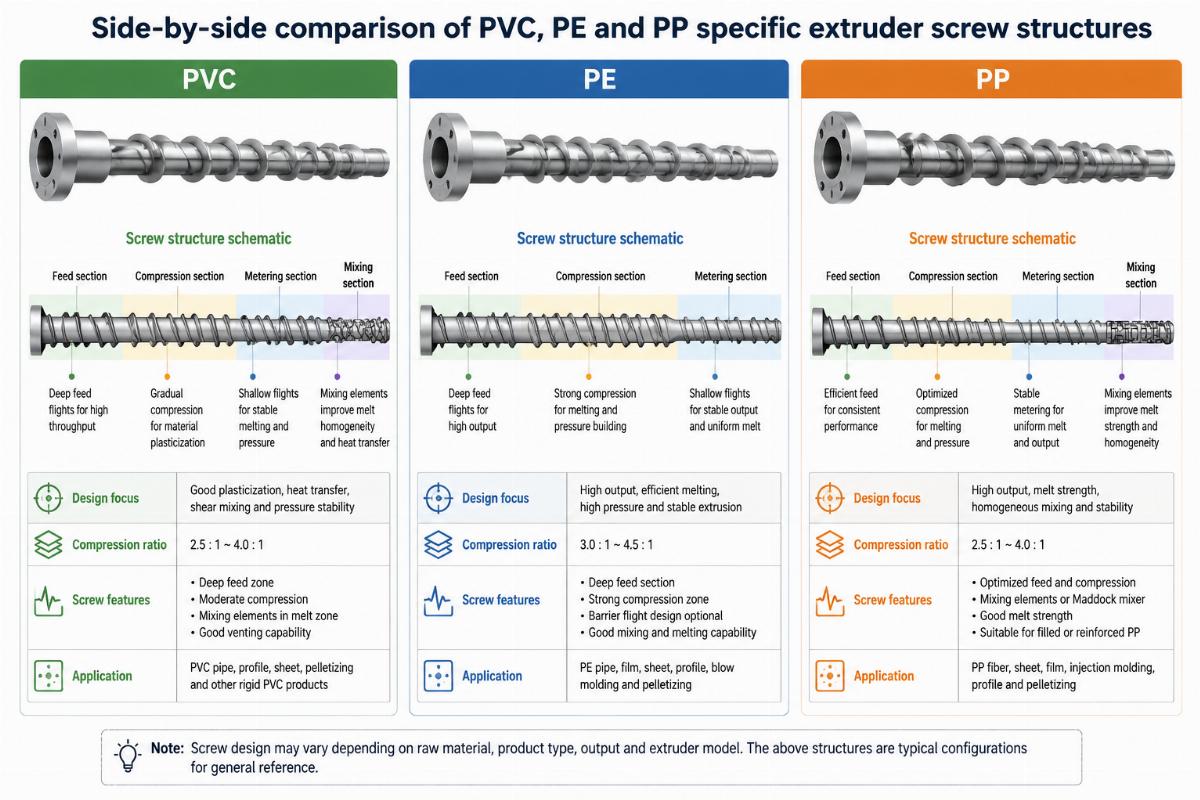
A continuación, desglosamos reglas específicas y accionables para cada una de las tres resinas de extrusión más comunes, acompañadas de datos reales de campo que se pueden aplicar directamente a su línea o evaluación de proveedores.
¿Por qué el PVC, PE y PP requieren diseños de tornillos de extrusión completamente distintos?
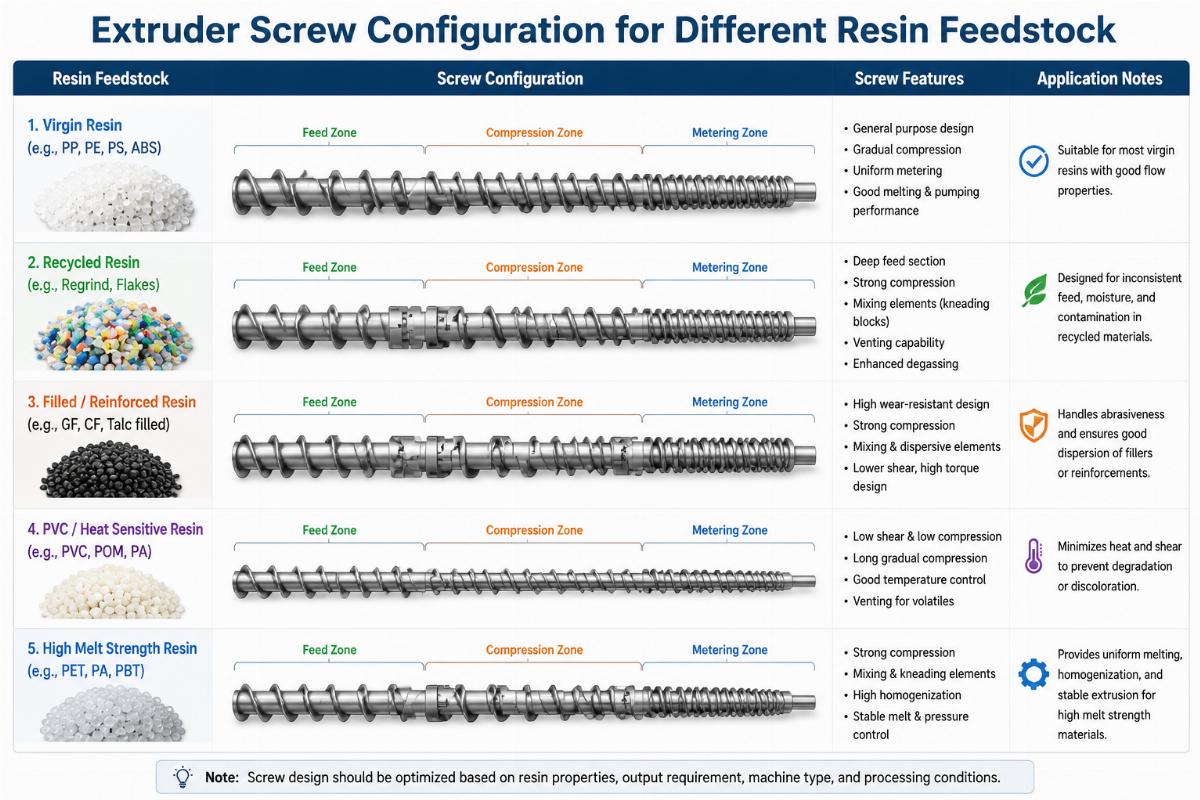
La causa raíz radica en tres propiedades de resina no negociables que definen cada parámetro central de la geometría del tornillo.{{ZKF_2}} Los diseños de tornillos genéricos de talla única no tienen en cuenta cómo se comporta cada material bajo calor y cizallamiento, lo que lleva a todo, desde la descomposición del material hasta un flujo de fusión inconsistente.{{ZKF_3}}Recientemente apoyamos una línea de producción de tuberías de PVC de 120 kg/h para un cliente del sudeste asiático que enfrentaba frecuentes quemaduras de material y paradas no planificadas; después de ajustar la relación de compresión del tornillo al rango de 1.8-2.2 y agregar una zona de alimentación de baja cizalladura dedicada, su tasa de descomposición de material disminuyó en un 18% y el tiempo de operación continua se extendió a 72 horas. [NEED_CITE: El rango de relación de compresión para la extrusión de PVC se sitúa entre 1.8 y 2.2 para una producción estable y sin defectos]
-
Auditoría de Propiedades de Resina{{ZKF_2}} – Mapee la estabilidad térmica, la cristalinidad y la tasa de flujo de fusión de su materia prima más utilizada antes de solicitar cualquier diseño de tornillo personalizado{{ZKF_3}}
Benchmarking de Parámetros{{ZKF_2}} – Realice una referencia cruzada de sus parámetros de tornillo existentes con los rangos estándar publicados para su tipo de resina objetivo{{ZKF_3}}
Alineación de Proveedores{{ZKF_2}} – Confirme que su proveedor puede proporcionar registros de ajuste de parámetros para líneas que operan con la misma resina y capacidad de producción que la suya{{ZKF_3}}
¿Cuáles son las reglas de diseño no negociables para los tornillos de procesamiento de PVC?
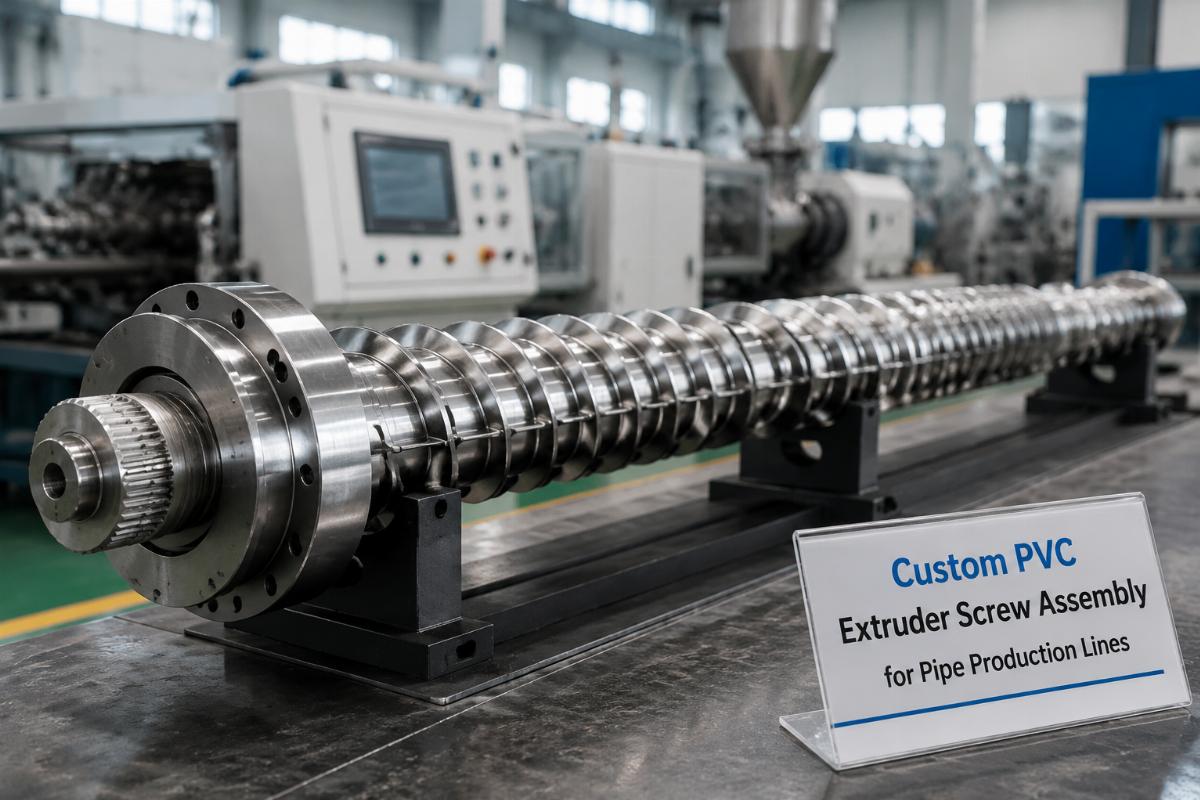
Centrarse únicamente en la resistencia a la corrosión provocará un 30% más de puentes de material en la zona de alimentación.{{ZKF_2}} La mayoría de los equipos priorizan la resistencia al desgaste para los tornillos de PVC mientras ignoran los requisitos de fricción, lo que lleva a una alimentación de material inconsistente y a tiempos de inactividad no planificados que reducen la producción diaria en un tercio.{{ZKF_3}}En 2023 resolvimos problemas persistentes de alimentación de material para 12 fabricantes africanos de tuberías de PVC que habían estado utilizando tornillos genéricos solo para corrosión; ajustar la textura de la superficie de la zona de alimentación y la relación de compresión eliminó todas las paradas no planificadas relacionadas con el puenteo de material. [NEED_CITE: La fricción insuficiente en la zona de alimentación causa un 30% más de frecuencia en el puenteo de material en líneas de extrusión de PVC]
-
Verificación de Fricción de la Zona de Alimentación{{ZKF_2}} – Verifique que su proveedor de tornillos especifique una superficie de zona de alimentación texturizada en lugar de un acabado pulido para todas las aplicaciones de PVC{{ZKF_3}}
Confirmación del Límite de Corte{{ZKF_2}} – Rechazar cualquier diseño que incluya secciones de mezcla de alto corte para el procesamiento de PVC{{ZKF_3}}
Validación del Grado de Material{{ZKF_2}} – Confirme que el material de la base del tornillo y el recubrimiento cumplan con los estándares de resistencia a la corrosión para PVC rígido o flexible mientras ejecuta{{ZKF_3}}
¿Cómo optimizas la estructura del tornillo para maximizar el rendimiento del procesamiento de PE?
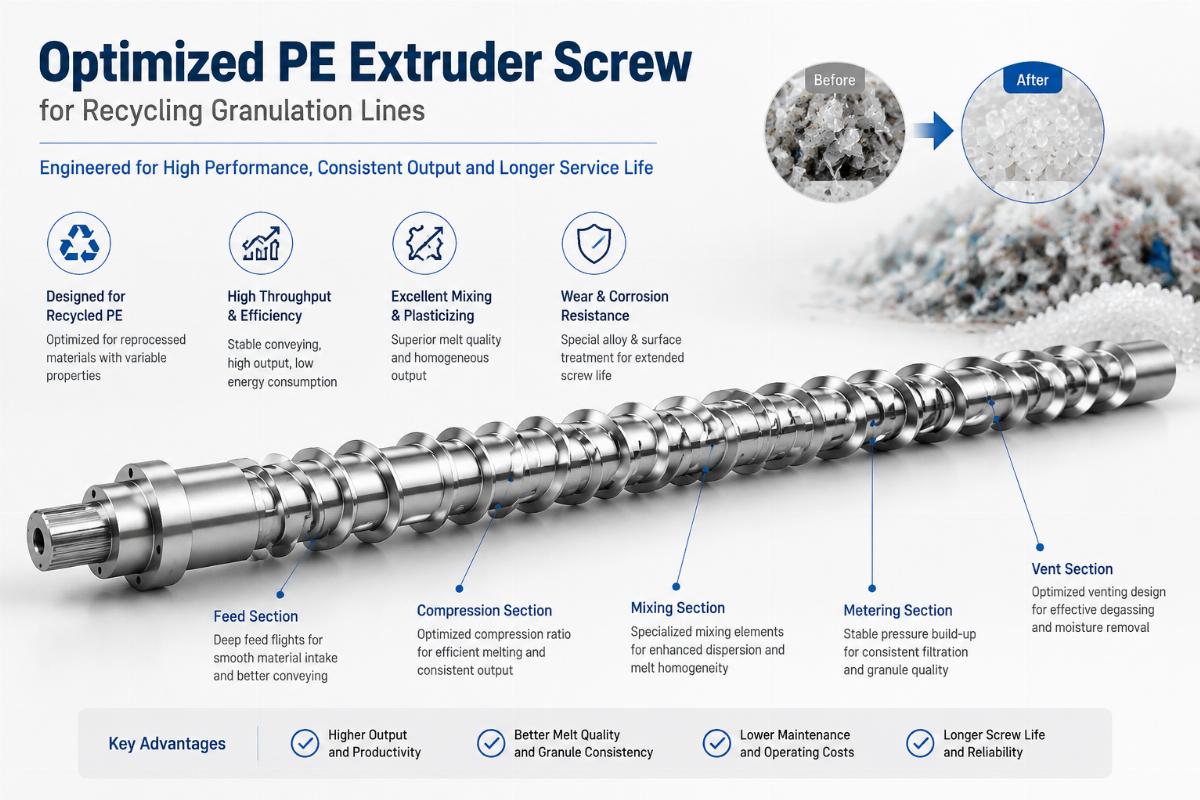
La coincidencia de la relación de compresión con el índice de fusión del PE es el motor principal de una mayor producción, no una mayor profundidad de vuelo.{{ZKF_2}} La mayoría de los operadores asumen que las ranuras más profundas moverán más material, pero esto conduce a una fusión inconsistente y a un mayor consumo de energía que erosiona cualquier ganancia en eficiencia.{{ZKF_3}}Apoyamos una línea de granulación de reciclaje de PE de 800 kg/h para un cliente europeo que tenía problemas con un bajo rendimiento y un tamaño de pellet inconsistente; ajustar la relación de compresión para alinearse con su índice de fusión de PE reciclado y agregar una sección de mezcla dedicada aumentó el rendimiento en un 25% mientras mantenía la uniformidad del pellet por encima del 96%. [NEED_CITE: El rango de relación de compresión para la extrusión de PE se sitúa entre 2.5 y 3.0 para un rendimiento y calidad de fusión equilibrados]
-
Prueba de Índice de Fusión{{ZKF_2}} – Pruebe el índice de fusión de su materia prima de PE entrante, incluyendo material reciclado, antes de finalizar los parámetros del tornillo{{ZKF_3}}
Calibración de Rendimiento{{ZKF_2}} – Confirme que la profundidad de vuelo esté mapeada correctamente a su diámetro de tornillo entre 45 mm y 200 mm para su producción objetivo{{ZKF_3}}
Referencia de Consumo de Energía{{ZKF_2}} – Requerir a los proveedores que proporcionen datos de prueba que muestren el consumo de energía por kg de producción para líneas de PE comparables{{ZKF_3}}
¿Qué errores comunes en el diseño de tornillos conducen a una calidad de producto PP inferior?
El exceso de cizallamiento inicial y la distribución desigual de la temperatura del molde son las dos principales causas de defectos en productos de PP.{{ZKF_2}} Los equipos que utilizan tornillos de PP de alta cizallamiento idénticos en todas las aplicaciones ven tasas de defectos en la superficie un 12% más altas y una menor resistencia a la tracción que no supera las pruebas de calidad.{{ZKF_3}}Implementamos un diseño de tornillo de PP segmentado para una línea de extrusión de láminas de PP de 1500 kg/h para un cliente de Oriente Medio que enfrentaba tasas de desperdicio de superficie del 12%; el ajuste redujo la diferencia de temperatura del dado a menos de 2°C y eliminó completamente esos defectos superficiales, mientras que un aumento gradual del corte mejoró la resistencia a la tracción del producto en un 22% para un cliente de perfil de PP de América Latina. [NEED_CITE: El diseño de tornillo de PP segmentado reduce la diferencia de temperatura del dado a menos de 2°C para eliminar defectos superficiales]
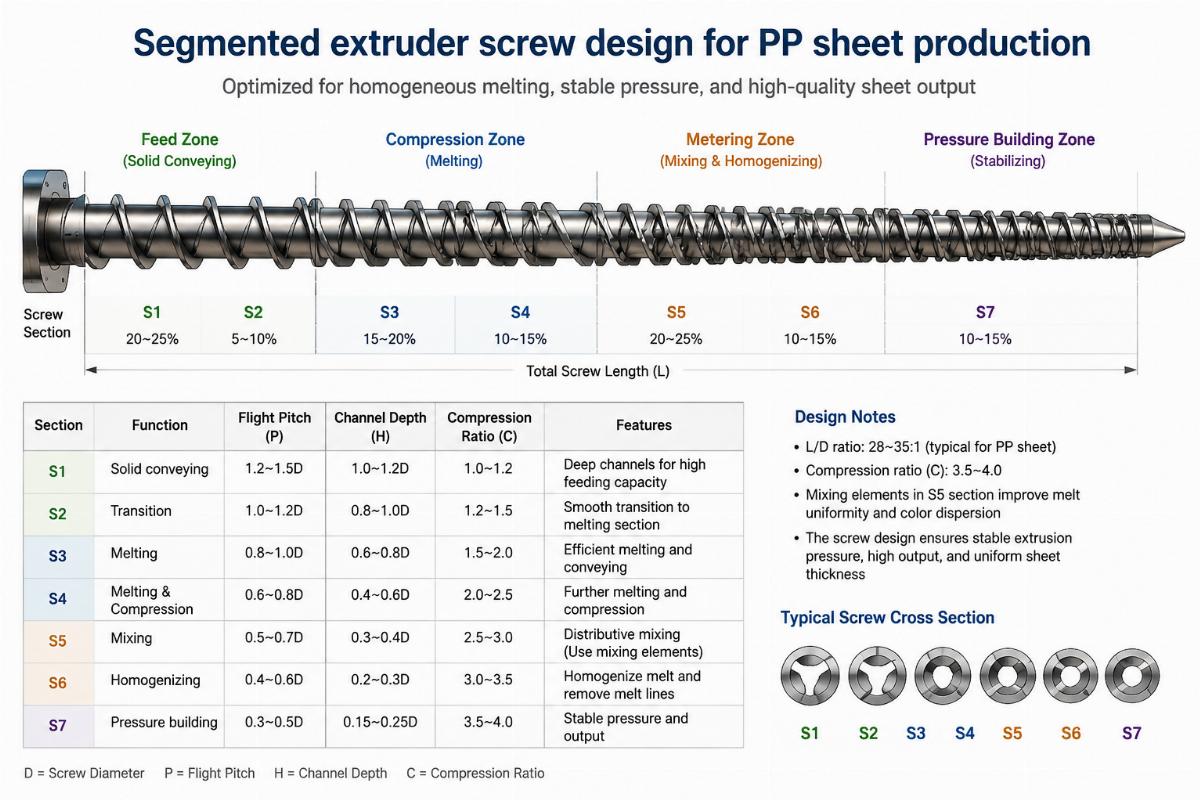
-
Requisito de Perfil de Corte{{ZKF_2}} – Especificar un aumento gradual del corte en lugar de un corte alto uniforme para todos los diseños de tornillos de PP{{ZKF_3}}
Solicitud de Estructura Segmentada{{ZKF_2}} – Requiere construcción de tornillo segmentado para líneas de láminas y perfiles de PP para reducir la variación de temperatura en el troquel cruzado{{ZKF_3}}
Validación de la Resistencia a la Tracción{{ZKF_2}} – Pida a los proveedores datos de prueba que muestren la retención de resistencia a la tracción para el mismo grado de PP que utiliza{{ZKF_3}}
¿Cómo verificas que un diseño de tornillo personalizado coincida con tus necesidades de producción reales?
La simulación de preproducción alineada con los parámetros de su línea existente y el tipo de resina es la forma más confiable de evitar costosos desajustes de diseño.{{ZKF_2}} Omitir este paso conduce a meses de ajustes posteriores a la instalación que retrasan el lanzamiento y afectan su presupuesto de proyecto.{{ZKF_3}}Como proveedor con más de 20 años de experiencia en el diseño de tornillos personalizados para 7 categorías de líneas de extrusión, construimos simulaciones de preproducción para cada tornillo personalizado para coincidir con la salida exacta, la configuración de la línea y el tipo de resina que nuestros clientes utilizan, como parte de nuestros servicios completos de línea de extrusión llave en mano. Recientemente apoyamos a un cliente de América del Norte que había estado utilizando un tornillo genérico de vuelo profundo de PE; ajustar la relación de compresión para coincidir con su índice de fusión de PE específico redujo su consumo total de energía en un 17% sin disminuir el rendimiento
