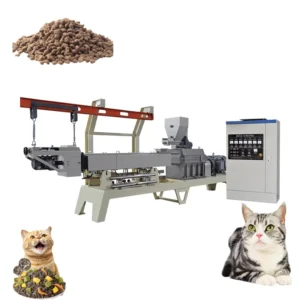
Screw Geometry Matched to Your Formula — Twin-screw configurations and die profiles are specified against your actual raw material blend and target pellet density, not copied from a generic catalog build.
Technical Specifications
| Parameter | Value |
|---|---|
| Product Type | Twin Screw Aquatic and Pet Feed Extrusion Line |
| Screw Type | Twin screw |
| Control System | Intelligent PLC automatic control system |
| Material Contact Parts | Food-grade 304 stainless steel |
| Machine Body | 304 stainless steel |
| Pellet Adjustability | Size, hardness, and buoyancy adjustable |
| Feed Types Supported | Floating and sinking pellets |
| Output Capacity | (basis to be confirmed — depends on raw material formula, pellet diameter, and moisture content) |
| Production Scale | Medium to large scale industrial commercial production |
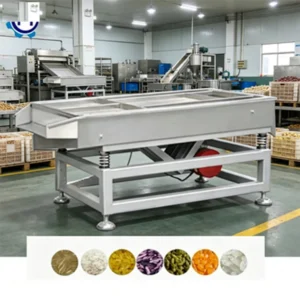
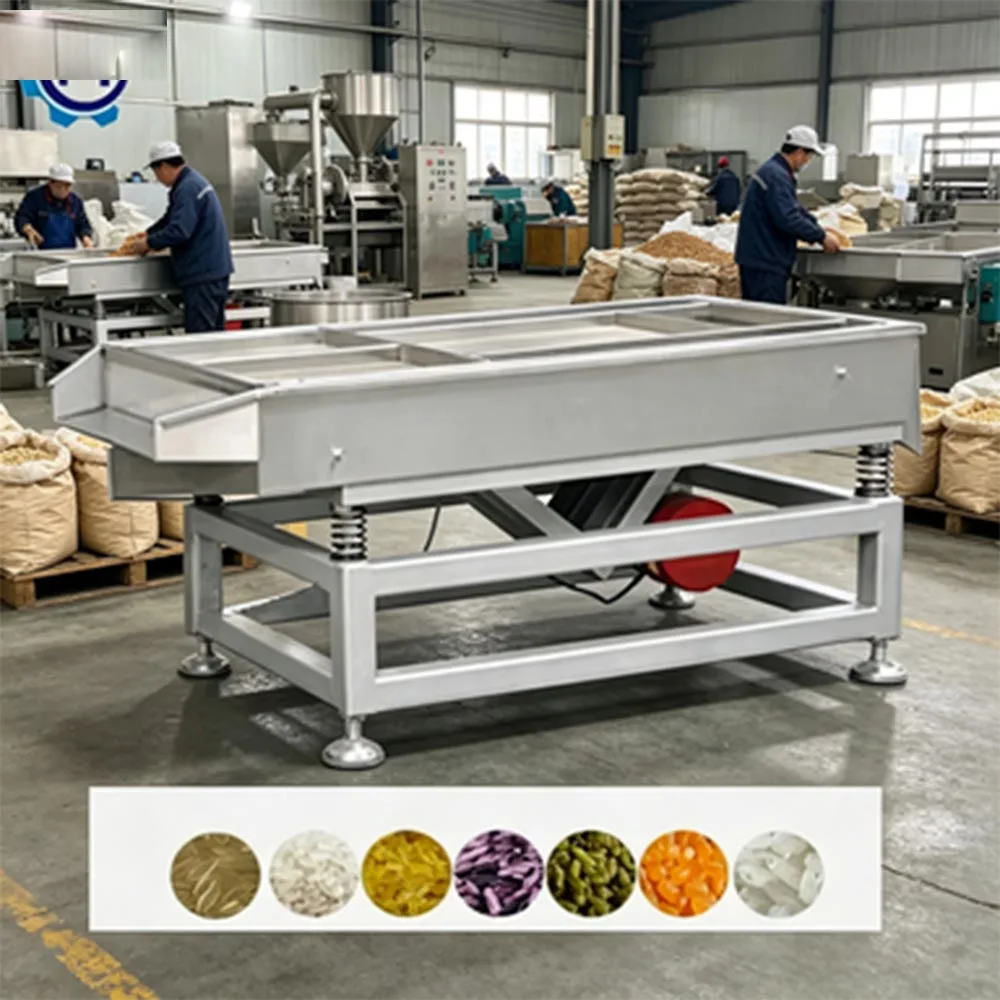
| Line Stations | Raw material mixer, extruder, dryer, seasoning coating machine, vibrating sieve, conveyor equipment |
| Automation Level | Full continuous automatic production from mixing through finished product discharging |
| Energy Feature | Optimized energy-saving transmission structure and heating system |
| Maintenance Design | Quick replacement of vulnerable parts, convenient daily cleaning |
Application Suitability
| Application | Material or Output |
|---|---|
| Floating aquatic feed for koi and tropical fish | Fish meal, soybean meal, corn powder, compound additives |
| Sinking pellets for bottom-feeding freshwater species | High-protein blends with controlled density extrusion |
| Dry pet kibble production | Meat meal, grain flour, vitamin premix formulations |
| Dual-purpose aquatic and pet feed runs | Variable screw and die setups switched between product types |
Why Your Pellet Density Fails Before the First Bag Ships
Generic screw-and-die builds ignore the raw material formula you actually run in your plant.
I was on-site in Colombia when a twin-screw extruder rated on standard corn starch met a formula loaded with chicken meal and fiber. Expansion collapsed on day one, and output fell far below what the contract stated. The problem was not the motor or the barrel — it was a screw configuration that had never seen the customer’s actual ingredients [NEED_CITE: starch gelatinisation behaviour under high-protein and high-fiber feed formulations]. When a machine is built without testing your specific blend, pellet buoyancy drifts, sinking feed floats, and floating feed sinks. The market notices before your quality team does.
Barrel Temperature Zones and Starch Gelatinisation Control
Multi-zone barrel heating gives the operator independent command over each section of the extrusion path. In aquatic feed production, early zones handle hydration and preconditioning while later zones drive starch gelatinisation and final expansion. A twin screw extruder specifications sheet should list the number of independently controlled heating zones and their range, because a single-zone barrel cannot manage the moisture gradient required for uniform pellet density across a production run.
Screw Element Sequencing for Buoyancy Targets
Floating and sinking pellets demand different shear profiles inside the barrel. Kneading blocks, reverse-flight elements, and conveying sections are arranged in a sequence that controls residence time and mechanical energy input. When the target is a slow-sinking pellet for catfish, the screw profile must limit expansion while maintaining full gelatinisation — a balance that only holds when the configuration is matched to your exact fish meal and starch ratio [NEED_CITE: twin-screw element arrangement and residence time distribution in feed extrusion].
Reading the Specs That Actually Matter
Twin screw extrusion for aquatic feed involves variables that generic catalogs gloss over. The L:D ratio determines how long material stays under shear — longer barrels allow gradual moisture migration and more complete starch cooking, which directly affects whether a floating pellet holds its buoyancy after drying. Die orifice diameter and land length control the pressure drop at exit, governing expansion ratio. Food-grade 304 stainless steel contact parts resist corrosion from fish meal acids and salt additives, extending screw life in continuous operation. The PLC system logs barrel temperature, screw speed, and feeder rate so that a successful parameter set from a morning run can be recalled exactly for an evening shift, removing operator guesswork from batch consistency.
The Cost of Skipping the Trial Run
When an extruder ships without a trial on your raw material, the first production run becomes the trial — on your floor, with your staff waiting, and your delivery deadlines ticking. Mismatched dryer capacity shows up as wet pellets that crumble during coating. Incorrect die geometry produces fines that clog the vibrating sieve. These are not warranty claims; they are commissioning delays that cost weeks [NEED_CITE: feed line bottleneck causes during initial commissioning in tropical climates].
Engineering Decisions Behind Every Station
Throughput matching across the line prevents bottlenecks that no single machine spec can reveal. The mixer batch size must align with extruder hopper capacity so that the screw never starves or surges. Dryer belt length and air temperature are set to the pellet moisture leaving the die — undersized dryers force the extruder to slow down, cutting real output below the rated figure. Seasoning drum residence time and spray rate are calibrated to the pellet surface texture that your specific die produces. Each station is calculated against the others, which is why a line built from separate vendors often underperforms compared to a single-supplier configuration.
Documentation & Verification
- Screw and die configuration record matched to your raw material formula and target pellet density
- Trial run report on your actual ingredients documenting expansion, buoyancy, and moisture at exit
- Line layout with throughput calculation across mixer, extruder, dryer, and coating stations
- Electrical schematic confirming voltage, frequency, and PLC language before production starts
- Factory test record with barrel temperature profile and screw speed logged per zone
Installation, Commissioning & Support
- Foundation leveling for the full line footprint from mixer discharge through vibrating sieve
- Dedicated electrical circuit sized to the confirmed total connected load and local voltage
- Barrel and screw assembly alignment verified on-site before first material feed
- PLC parameter set loaded and validated against trial run baseline during commissioning
- Operator training on screw element replacement sequence and daily barrel cleaning procedure
- Vulnerable parts list with reorder intervals based on your specific raw material abrasiveness
What to Include in Your Inquiry
Send your raw material formula with percentage breakdowns of protein, starch, fat, and fiber sources. Specify target pellet diameter and whether you need floating, sinking, or slow-sinking buoyancy. Confirm your local voltage, frequency, and preferred PLC operating language. If you have existing upstream mixers or downstream packing equipment, share their throughput rates so the line can be matched end to end.
Frequently Asked Questions
Q: How is screw configuration and die design matched to my specific raw material formula?
A: Your ingredient list and percentage breakdown are reviewed before any screw elements are selected. Kneading block angles, reverse-flight positions, and die land lengths are calculated against the starch, protein, and fiber content of your blend to hit the target expansion and density for your pellet type.
Q: How is pellet buoyancy controlled and verified before shipment?
A: Buoyancy is set through screw speed, barrel moisture input, and die geometry during the in-house trial run. Pellets are tested in water columns for float duration and sinking rate, and results are documented in the trial report you receive before the machine leaves the factory.
Q: What trial runs are performed on my raw material before dispatch?
A: Your actual formula — or a close representative blend — is run through the extruder in the testing workshop. The trial report records barrel temperatures per zone, screw speed, moisture at die exit, pellet expansion ratio, and buoyancy test results for your review.
Q: How are extruder throughput and dryer capacity matched to avoid bottlenecks?
A: Dryer belt length and airflow are calculated from the moisture content and mass flow rate of pellets leaving the die. If the extruder output exceeds dryer capacity at your target moisture, the line layout is adjusted before any equipment is built to prevent throughput loss.